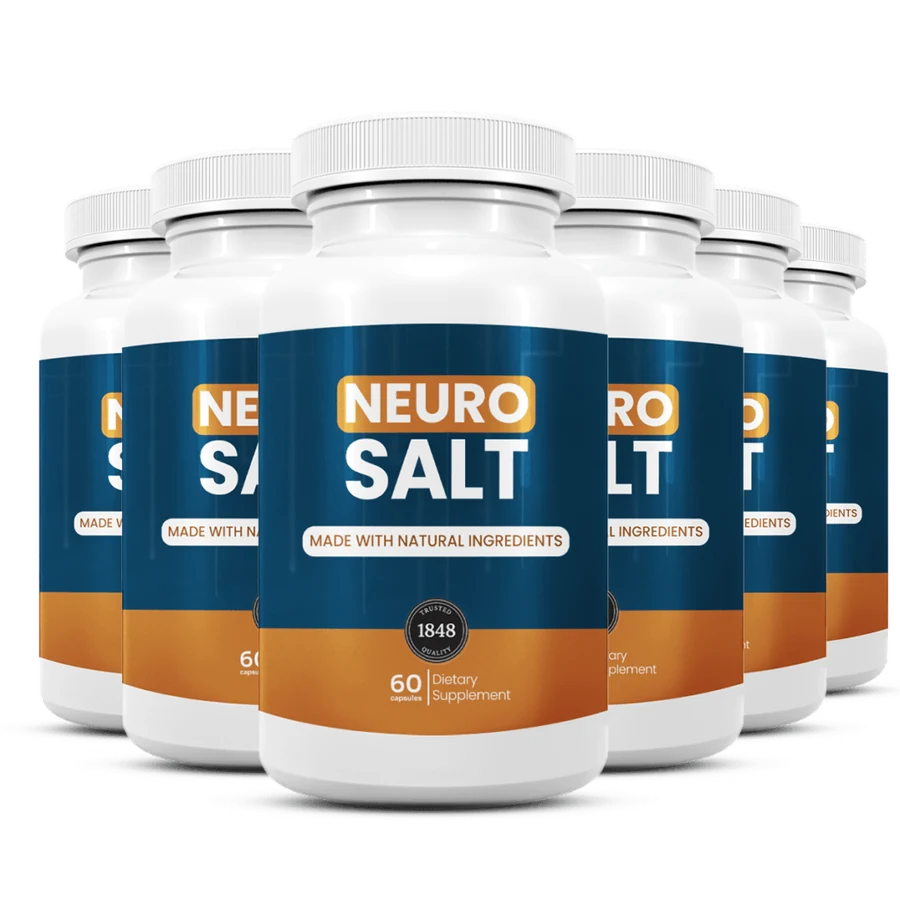
Neuro Salt Ingredients
Neuro Salt names all five ingredients with individual doses: no hidden proprietary blend.
Two ingredients carry genuine sedative and liver-pathway considerations — both detailed below.
What's disclosed
Neuro Salt names all five of its active ingredients directly on the label with an individual milligram amount for each — a genuine positive compared to competitors that hide everything behind an undisclosed proprietary blend. The total comes to 450mg per two-capsule serving.
All 5 ingredients, one by one
Passionflower — 145mg
The highest-dosed ingredient. Binds to GABA-A receptors in the central nervous system, producing genuine anxiolytic and mild sedative effects. Also carries mild hypotensive activity worth noting for blood pressure medication.
Marshmallow Root — 110mg
Traditionally used for its anti-inflammatory and soothing properties. No significant documented interaction concerns among the five ingredients.
Corydalis — 100mg
Contains alkaloids the manufacturer describes as working similarly to pharmaceutical painkillers, acting through dopamine receptor pathways. A small number of published case reports have associated it with liver enzyme elevations, and it shares liver enzyme pathways (CYP1A2/CYP3A4) with several common drug classes.
Prickly Pear Extract (20:1) — 50mg
An antioxidant concentrated extract, traditionally used to help protect cells from oxidative stress. Can compound the glucose-lowering effects of diabetes medications.
California Poppy Seed — 45mg
Unrelated to opium poppy despite the name — contains no morphine or opioid alkaloids. Has genuine mild GABAergic sedative activity of its own, adding to Passionflower's effect.
The name-versus-label mismatch
Despite the product name and marketing sometimes tied to a “pink salt trick” angle, this formula contains no Himalayan pink salt or any salt compound as an active ingredient. See our full piece on the pink salt trick mismatch for what we found.
Two ingredients worth taking seriously
Passionflower and California Poppy Seed both have genuine sedative activity via GABA pathways and can compound the effects of prescription sedatives, sleep medication, anti-anxiety drugs, opioid pain medication and alcohol. Corydalis affects liver enzyme pathways shared with several drug classes and acts on dopamine receptors. Read our full interaction breakdown next.